
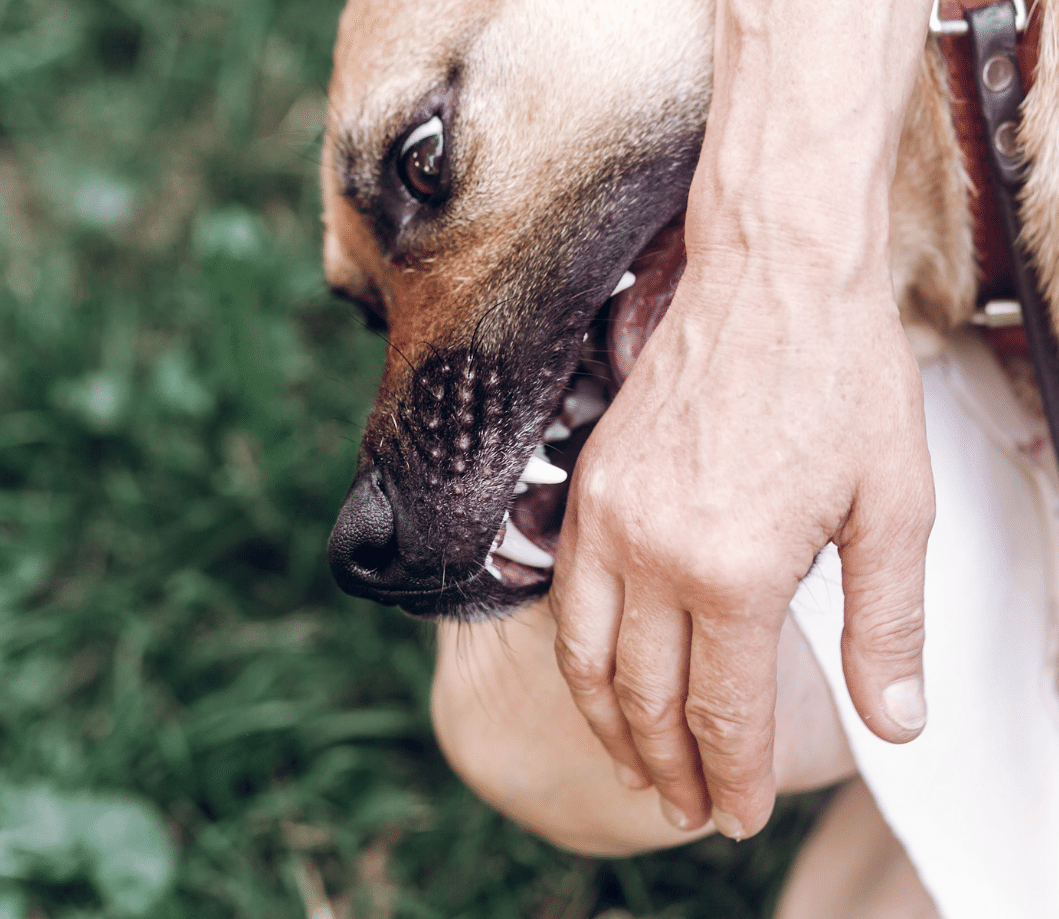
Regardless of your dog’s behavior, if there are any incidents of unwelcome biting on the part of your dog, you need to take action immediately to resolve this problem.
It is normal for puppies to mouth and chew, however you must make sure that you keep a close eye on rough play. A puppy who is not given the proper guidance and outlets to chew may become prone to biting and nipping if they are not given proper guidance and outlets.
As long as you take a proactive approach during the dog’s first two years of living, you can prevent such problems from occurring. Our guide will help you work through this challenging process while decreasing biting and nipping, learning how to teach your dog gentleness.
What causes dogs to nip?
Dogs usually don’t bite aggressively when they are puppies. Instead, they are merely exploring the world around them and learning about it. Keep an eye out for changes in the behavior, such as increasing frequency or intensity.
A nip is not necessarily a sign of any ill feelings towards your puppy, but it could be an indication that he is developing an inappropriate biting behavior.
Puppies learn more than just about the world from biting and chewing, they can also learn how to interact with other people from how they bite and chew. As puppies play a lot, they wrestle with each other, nip at each other, and bite at each other.
There is usually one puppy who starts yelling and stopping playing when another bites too hard on him. Eventually, as a result of such a negative consequence, the biter learns to bite down harder or softer and to watch out for unacceptable behavior.
There is a critical milestone to reaching when it comes to teaching dogs how to behave, which is bite inhibition.
When does nipping become a problem?
It is crucial to teach your puppy what’s appropriate and what’s not when you can differentiate between normal puppy mouthing or nipping and more serious behavior problems.
It has been observed that puppies commonly mouth, bite, and nip during periods of play and overexcitement. The same goes for your puppy nipping at you when you try to reach for their food bowl or when you try to pet them while they are resting – you should not respond to their nipping at you.
While your pet may nip, you should also pay attention to the mood of your pet at the time. Have you noticed that your puppy seems silly and goofy, or does he or she seem angry and frustrated?
Sometimes, it is hard to predict the behavior of a puppy. If you are concerned about how your puppy is behaving, you should consult a dog trainer. It is likely that they will ask you to film a short video so that they can have a better understanding of your pet and potential needs.
It is easier to correct these behaviors when you notice them early on rather than later on after they occur rather than later on at a later date.
Using behavior modification techniques to stop a dog from nipping
In order to teach your puppy not to bite, the first thing you need to do is change your expectations. Puppy nips are a normal part of their development. It’s not the point of this to stop your puppy from biting, but rather to teach him the right time and place to do so.
With some tried-and-true techniques, you’ll be able to create lessons that stick with your students. You can even incorporate your dog into the lesson. Your puppy will have less time to growl, bite, or nip unnecessarily if you give him plenty of mental and physical stimulation.
If you notice that your dog is getting more mouthy, it may be necessary to change up the pace or scenery – or anything else that will keep your puppy’s mind off chewing.
Besides taking your dog to the pet store, to the park, on a walk, or to the dog park, you can also take them to the pet store. You can do whatever you want with your dog. As well as being a great way for you and your pup to bond, this one-on-one time can also help to tucker them out, preventing them from chewing or mouthing out of boredom.
Redirect your pup.
It is important to provide your puppy with plenty of approved chewing alternatives so that he can make the most of his natural instinct to chew. Get yourself a huge supply of chews and toys that your puppy will love to play with and keep them close at hand for quick redirection when necessary.
When the urge strikes to bite, nip, or chew, your dog will learn to pick up a toy when the urge strikes to bite, nip, or chew so that it learns what’s OK to chew.
When giving the chew toy to your puppy, it is important to remain calm so that they do not become too excited. Overstimulating your dog can weaken his self-control, although it is important to have fun with your dog.
As you play with the toy together, you should make sure that the toys that you provide are large enough to prevent your puppy from nipping you. When one end of the rope is being mouthed by your dog, you should hold the other end.
In order to encourage your dog to play well, praise him calmly and with a happy voice if he is doing well. If you see your dog climbing up the toy or hitting your hand with it, yell and drop the toy.
After they have settled down and are not bothering you for a few moments, you can resume your game. It doesn’t matter what they do as long as they keep their mouths on the toy, which is what counts as playing. If they put their mouths on you, they’ve stopped as soon as they put them on you.
Observations on dog nipping
About 3 million dogs are admitted to shelters each year, nearly half of whom are teenagers between the ages of five months and two years old.
Unlike an adolescent dog, humans at this age do not have fully developed brains, which is why they are called adolescent dogs. Some of them can be a little rowdy and immature, which can sometimes be a challenge.
The key is to remain consistent in your training methods when discouraged. Sometimes you might not see results right away.
As your pup matures, calms down, and becomes more comfortable and mature, it will become less likely that he will nip you when it is not appropriate with time, patience, and plenty of enriching one-on-one play time.


