
Many pet owners don’t think about oral health until their pets have bad breath, they notice that their eating habits or chewing habits have changed, or even worse, they notice that their pets’ gums have swollen and are bleeding.
There is a correlation between a healthy, happy mouth and a healthy body, since the mouth is the gateway to the body. It is not only that dogs chew, eat, and play games like tug of war and fetch with their teeth, but they also use them for chewing, eating, and chewing.
Due to this, dental diseases, which cause pain and can eventually result in other problems, negatively impact the daily lives of these individuals. Before the age of three years old, our pets may suffer from this very common condition. In fact, dogs and cats usually suffer from this condition before they turn three years old. Taking care of your pet’s pearly whites might seem difficult at first, but it’s not as difficult as you might think
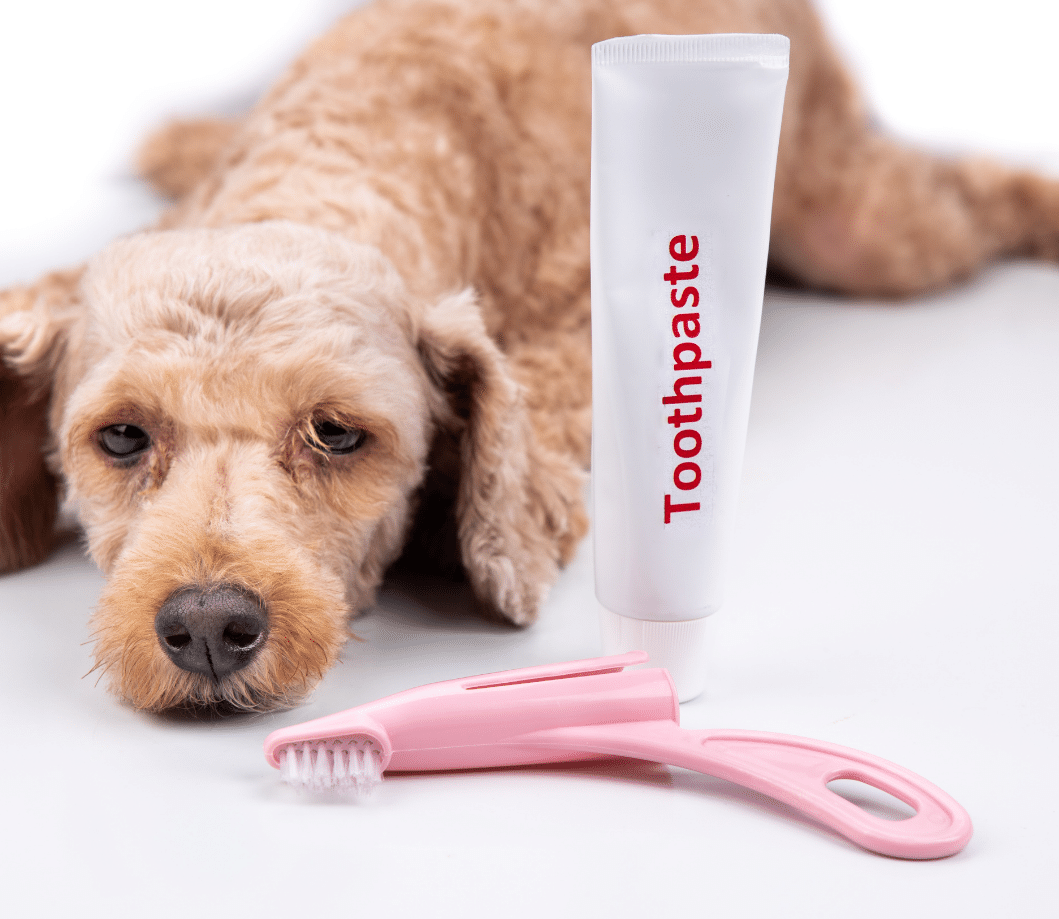
1. It is estimated that the majority of pet owners in the United States do not brush their pets’ teeth even though they brush their own multiple times a day. The good news is that there are several simple tools you can use to help make this a habit that you can take part in on a regular basis. As well as toothpastes in delicious flavors like chicken or beef that are made specifically for dogs, you will also find toothbrushes in a variety of sizes that are suitable for their size.
Using human toothpaste, which contains xylitol, which can be toxic for animals, is not recommended for pets. You can scrape the plaque off your teeth before it turns into tartar by using a piece of gauze wrapped around the tip of your finger, when a toothbrush is too cumbersome to use.
As they grow up, it will be easier to do this activity because they will have been exposed to it earlier on. If you brush your pet on a regular basis, it becomes accustomed to being handled in the mouth, which is helpful when it comes to their regular vet checkups. The last benefit of this is that it is an excellent method to bond with your pet.
2. It is essential that you have your pet regularly examined by your veterinarian. The good news is that there are many oral health problems that can be identified early before they develop into more serious ones.
Even if they suffer from a cracked or painful tooth, most dogs like to eat, so even if they have a problem with one, they won’t miss a meal. It is important that you schedule an appointment with your veterinarian for a physical exam so that he or she can identify these types of issues and recommend an appropriate treatment.
3. It is very important to select a dental treat that is suitable for your dog’s weight and life stage when choosing a dental treat for him. Discussing your pet’s needs with your veterinarian is always an excellent idea when considering what’s best for him.
Depending on the dog’s age, breed, and size, we should tailor his or her dental care regimen to suit their individual needs. Compared to a dog’s permanent teeth, puppy teeth, for example, are typically smaller, softer, and more vulnerable than a dog’s adult teeth.
Also, brachycephalic breeds and smaller dogs are more likely to suffer from dental problems earlier than larger breeds. If you take good care of your pet’s oral health, you will be less likely to have to take your pet to the vet, and, most importantly, your pet will be healthier as a result.


